
City vs. Suburbs: Why Wake Forest & North Raleigh Are Attractive Alternatives to Downtown Raleigh
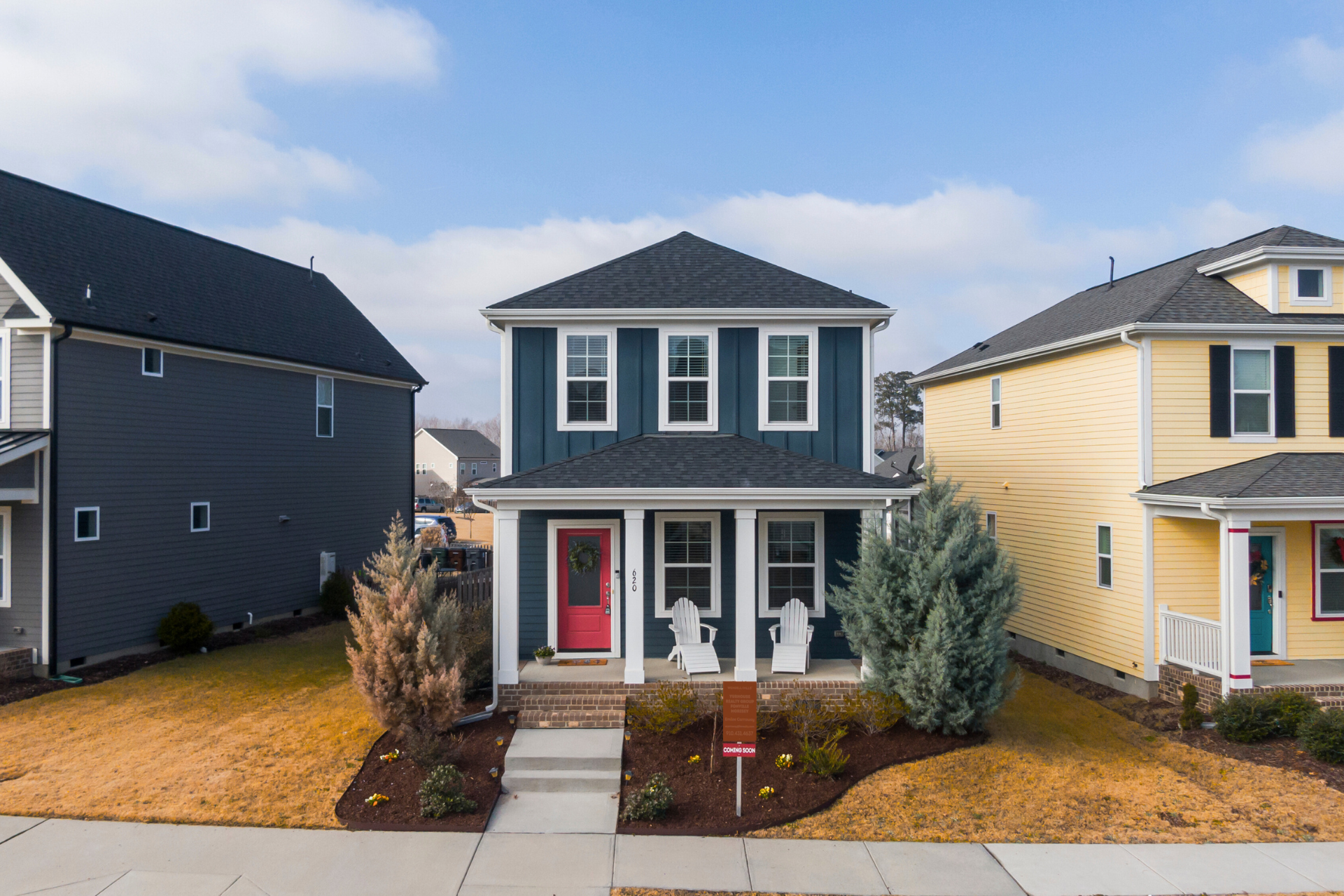
Raleigh’s growth isn’t slowing down and neither is the conversation around where people want to live. As downtown density increases and prices remain competitive, more buyers are widening their search to include nearby suburbs like Wake Forest and North Raleigh.
This shift isn’t just about preference. It’s about value, lifestyle, and how buyers want to live now and into the future.

Why Buyers Are Expanding Their Search
Over the past few years, downtown Raleigh has seen steady price growth paired with tighter inventory and smaller average home sizes. While demand remains strong, buyers are often competing for limited space at higher price points.
In contrast, Wake Forest and North Raleigh typically offer:
- More square footage for the price, especially in newer and move-up homes
- Greater inventory variety, from established neighborhoods to newer developments
- Less density, which continues to appeal to buyers prioritizing comfort and flexibility
As affordability becomes a bigger factor, many buyers are realizing that moving just 15–25 minutes outside the city core can significantly expand their options.
Lifestyle Is Driving the Decision
Today’s buyers aren’t just purchasing a home, they’re buying into a way of life.
Wake Forest and North Raleigh consistently rank high for:
- Access to parks, greenways, and outdoor recreation
- Strong school districts and family-oriented amenities
- Community events, walkable neighborhoods, and local gathering spots
With more people working remotely or hybrid, buyers are placing greater value on
home functionality — dedicated offices, larger kitchens, outdoor living spaces, and flexible layouts that suburban homes are more likely to provide.
What the Market Data Suggests
Recent market trends across Wake County point toward a gradual rebalancing:
- Suburban areas are seeing slightly higher inventory levels than the urban core
- Homes in Wake Forest and North Raleigh often experience less intense bidding pressure compared to downtown Raleigh
- Buyers may have more room for negotiation, particularly on homes that are well-priced but not brand-new listings
For sellers, this means presentation and pricing matter more than ever. For buyers, it means opportunity, especially when paired with the right local guidance.
Who the Suburbs Appeal To Right Now
The move toward suburban living is showing up across buyer types:
- First-time buyers looking for long-term value
- Growing families prioritizing schools and space
- Relocating professionals drawn to Triangle growth and quality of life
- Move-up buyers who want lifestyle upgrades without downtown constraints
Wake Forest and North Raleigh continue to attract buyers who want the benefits of Raleigh without the trade-offs that come with higher density.
Finding the Right Balance
Downtown Raleigh offers energy, walkability, and convenience, but for many buyers, the suburbs provide something equally valuable: room to grow, breathe, and settle in.
Understanding how the city and surrounding communities compare helps buyers and sellers make confident decisions especially in a market that continues to evolve.