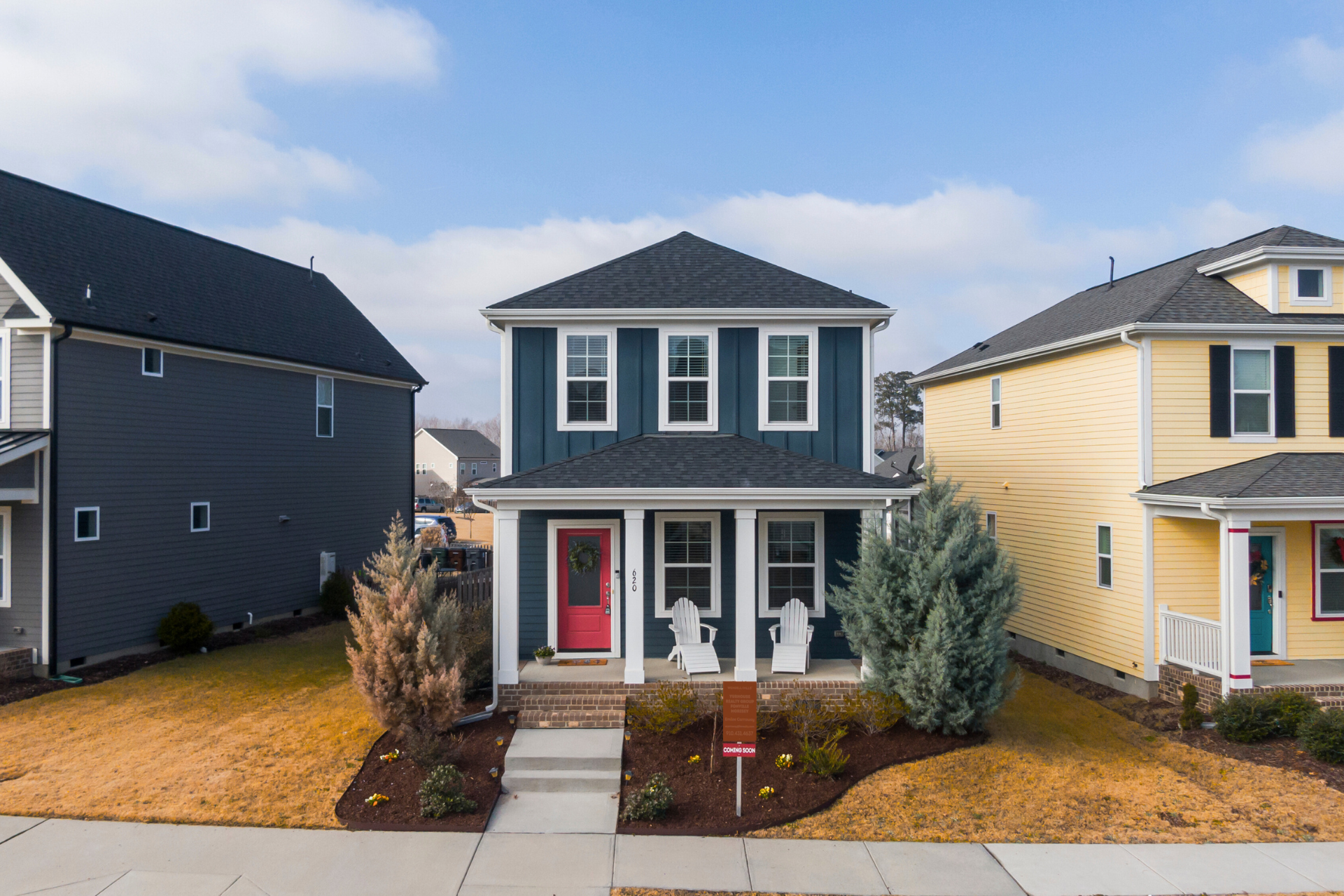


The Hidden Costs of Buying a Home in North Carolina — and How to Plan for Them Without Stress
Quick Overview
Buying a home in North Carolina involves more than just the purchase price. Buyers should plan for upfront costs like due diligence fees and inspections, as well as closing costs that appear later in the process. Understanding these expenses early helps prevent surprises and allows buyers to move forward with confidence.
For many buyers, the purchase price feels like the biggest hurdle in buying a home. In reality, there are additional costs throughout the process that can catch buyers off guard, especially for those new to buying in North Carolina.
Knowing what to expect ahead of time makes the experience far less stressful.

What Are the Hidden Costs of Buying a Home in North Carolina?
Beyond the listing price, buyers should plan for several expenses that occur before and at closing. These costs are standard in North Carolina real estate transactions, but they are much easier to manage when anticipated early.
Upfront Costs Buyers Should Expect
Due diligence fees explained
North Carolina’s due diligence fee is paid directly to the seller and gives buyers the opportunity to fully evaluate the home during the due diligence period. This fee is separate from earnest money and is paid shortly after an offer is accepted.
In competitive markets across Wake County and surrounding areas, due diligence fees can vary widely depending on demand, price point, and property condition, which is why understanding this cost upfront is so important.
Inspection and evaluation costs
Home inspections and any specialty inspections (such as radon, termite, or sewer) are typically paid out-of-pocket and occur soon after going under contract. These inspections help buyers make informed decisions before moving forward.
Costs That Appear Later in the Process
As the transaction progresses, buyers may encounter additional costs such as appraisal fees, surveys, and lender-required services. These expenses can vary based on the property, loan type, and lender requirements, which is why early planning matters.
Understanding Closing Costs in North Carolina
Closing costs typically include lender fees, title services, and prepaid expenses such as property taxes and homeowners insurance. While lenders provide estimates early in the process, final numbers may adjust slightly as details are finalized.
The Consumer Financial Protection Bureau offers a clear explanation of closing disclosures and what buyers should expect during this stage of the transaction.
How Buyers Can Plan Without Stress
Buyers who understand the full financial picture early are better equipped to make confident decisions. Reviewing lender estimates, planning for upfront costs beyond the down payment, and working with a local real estate team all help reduce uncertainty.
Local expertise plays a key role in anticipating common expenses, timing payments appropriately, and avoiding last-minute surprises.
Frequently Asked Questions
What is a due diligence fee in North Carolina?
A due diligence fee is money paid directly to the seller that secures the buyer’s right to inspect and evaluate the home during the due diligence period.
Is the due diligence fee refundable?
In most North Carolina transactions, due diligence fees are non-refundable, which is why buyers should understand the timeline, inspection process, and offer strategy before submitting payment.
What costs do buyers pay before closing?
Common pre-closing costs include due diligence fees, inspections, appraisal fees, and sometimes surveys, depending on the property and loan requirements.
What are closing costs in North Carolina?
Closing costs often include lender fees, title services, and prepaid expenses such as homeowners insurance and property taxes.
How can buyers avoid surprise costs?
Plan for expenses beyond the down payment, review lender estimates early, and work with a local real estate team that understands North Carolina’s process and market dynamics.
Guidance You Can Trust
Allison & Andrea guide buyers through every step of the process, helping them understand costs, timelines, and decisions clearly — especially when navigating North Carolina’s unique due diligence structure.